When you start looking into solar, the first big decision is the type of system: grid-tied or hybrid. Both lower the power you buy from your electric utility, but they behave very differently when the grid goes down.
Grid-tied solar
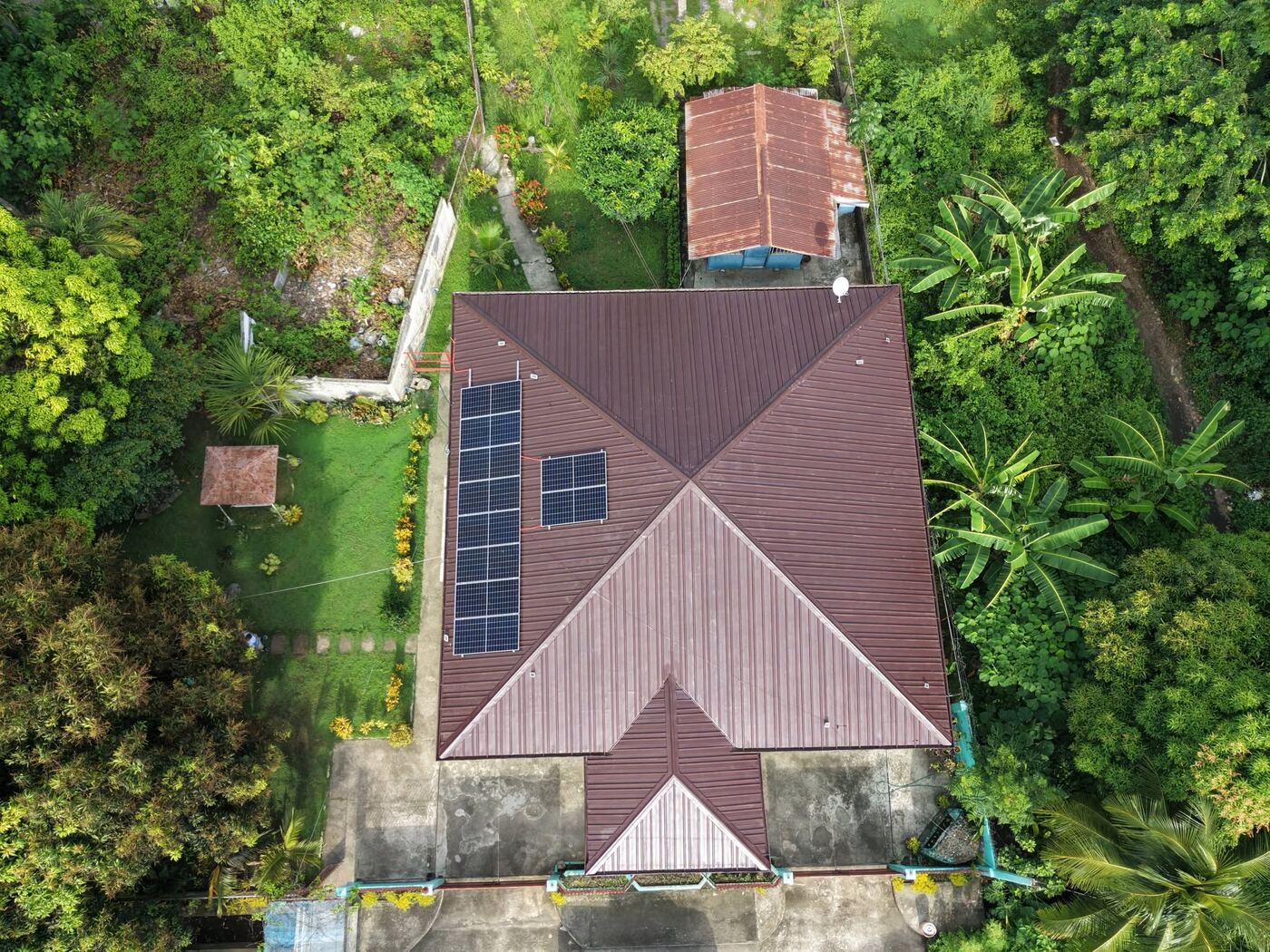
A grid-tied system connects your solar panels to your home and to the grid — no battery.
- During the day, your home uses solar power first.
- When the panels can't cover your usage (at night, or on heavy-load days), the grid fills in automatically.
- It's the simplest and most affordable way to go solar.
The catch: a grid-tied system shuts off during a brownout. This is a safety requirement — it stops your panels from sending power into lines that utility crews may be working on. So even on a sunny day, no grid means no power.
Hybrid solar
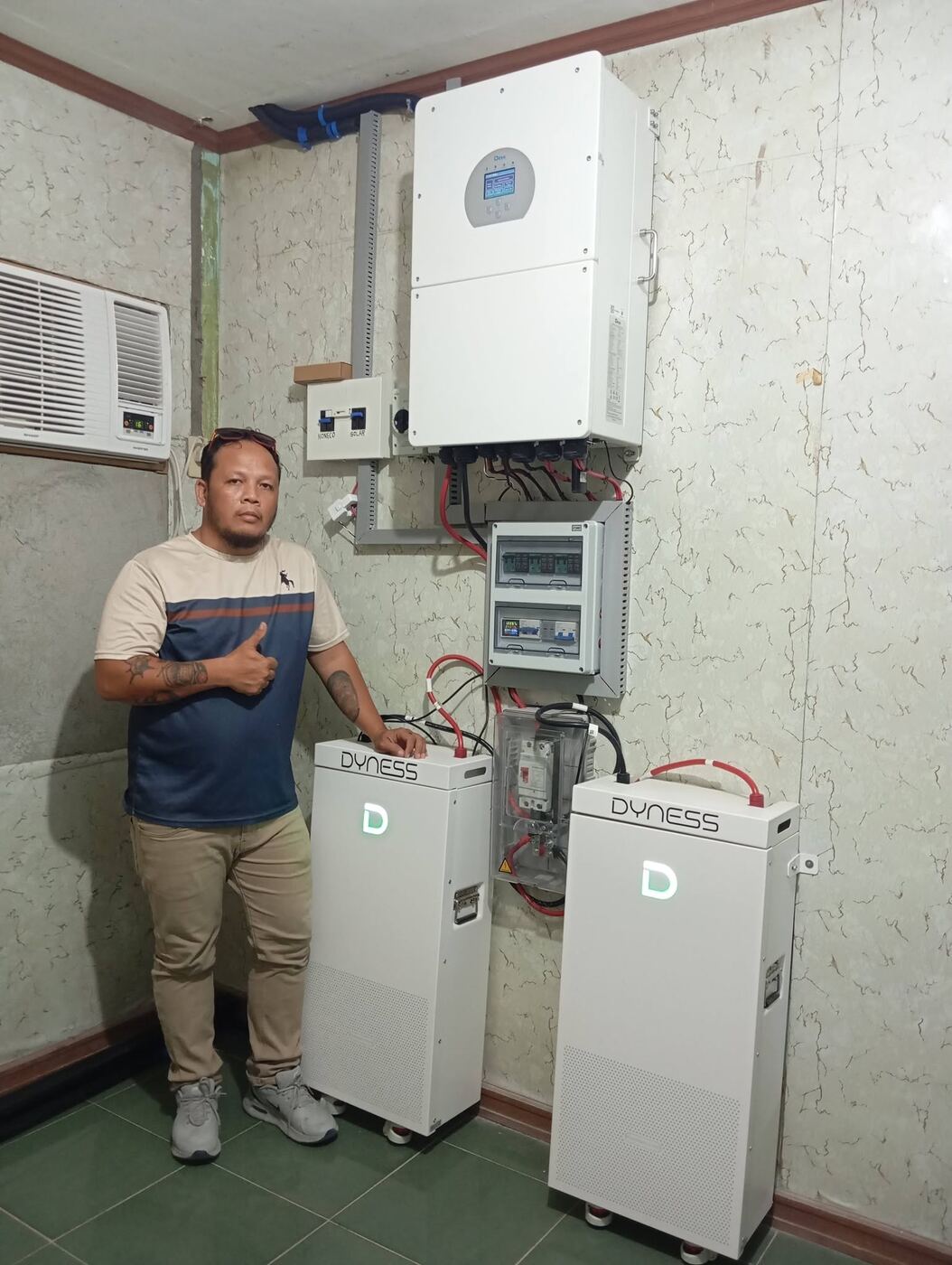
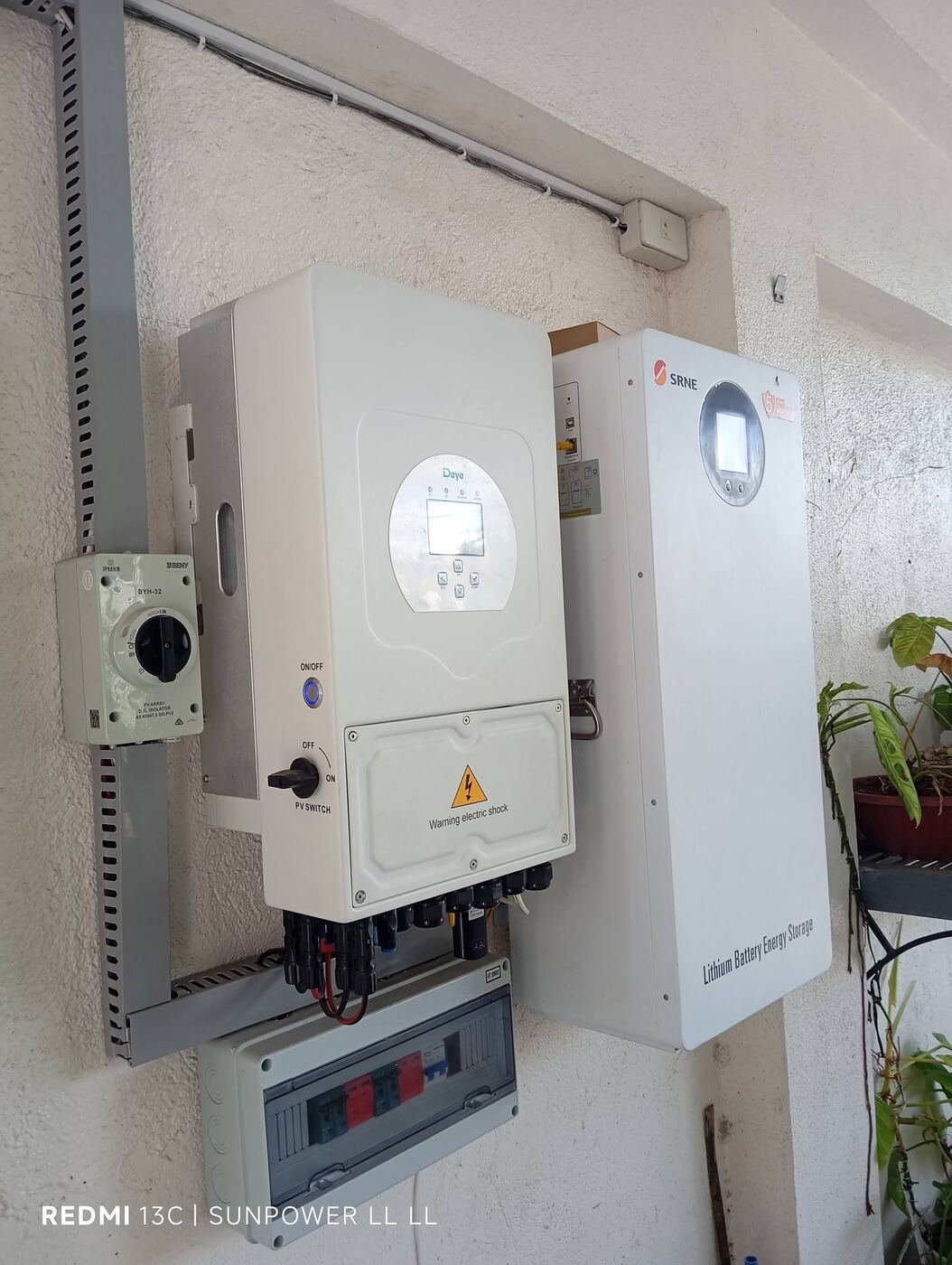
A hybrid system adds a battery and a hybrid inverter that manages the panels, the battery and the grid together.
- Solar power runs your home during the day, and extra energy charges the battery.
- In the evening, you can keep using that stored solar power.
- When the grid goes down, the inverter switches your backed-up circuits to battery power on its own.
The trade-off is cost: batteries add to the price of the system. But for many households, brownout protection is the main reason they go solar in the first place.
Which one should you choose?
A grid-tied system usually makes sense if:
- Brownouts are rare in your area, or you already have a generator.
- Your main goal is lowering your bill during the day.
A hybrid system usually makes sense if:
- Brownouts are common and disruptive — work from home, online classes, a ref full of food.
- You want to use your solar power into the evening.
- You'd like the option to grow your battery storage later.
Not sure yet? A hybrid inverter can be installed now with a battery added later, so you don't have to decide everything at once.
Next step
The right choice depends on your power usage, your budget and how often the grid goes down where you live. Pick a package on our Ask for a Quote page to see an estimated price range, and we'll help you decide.