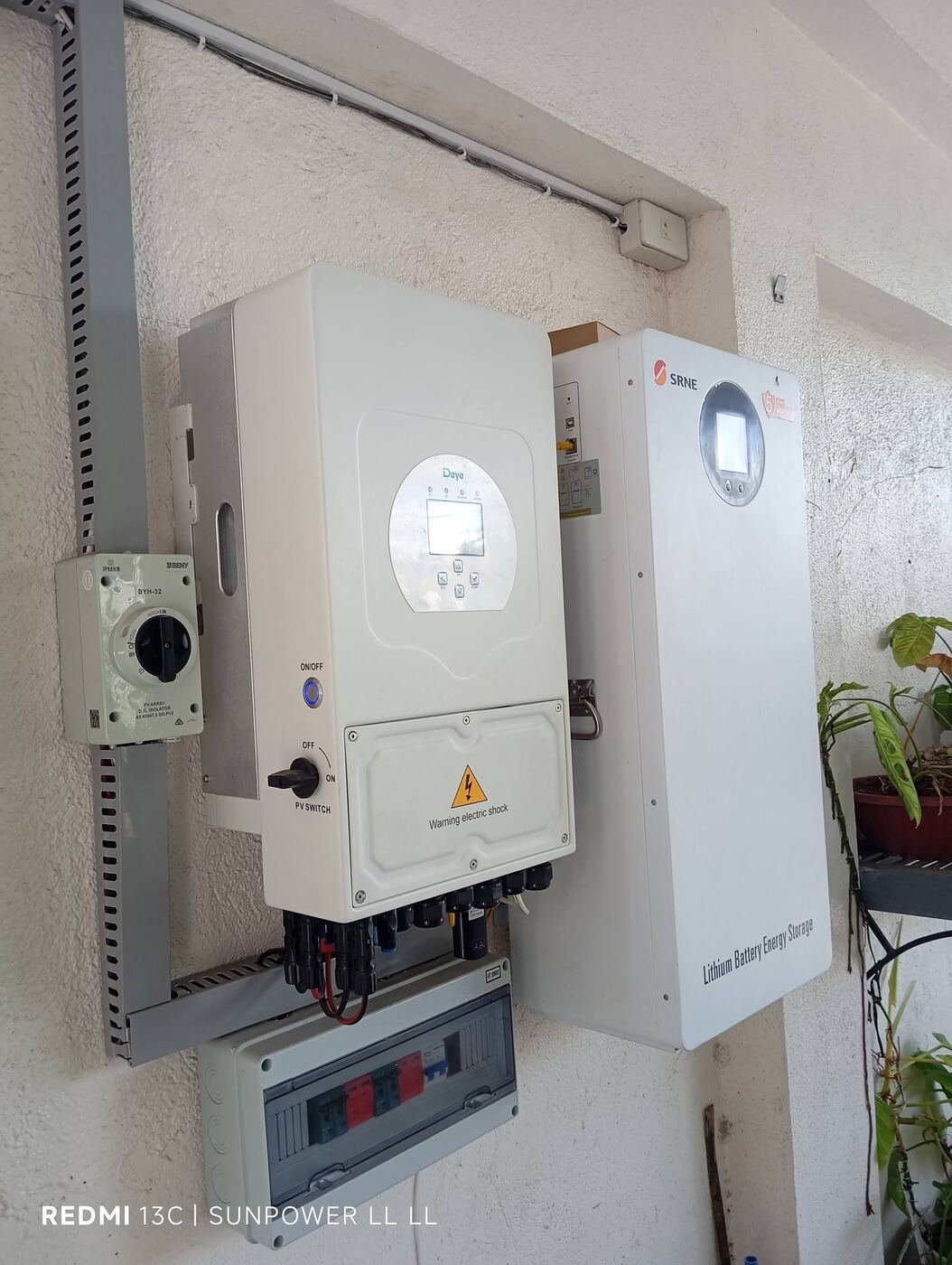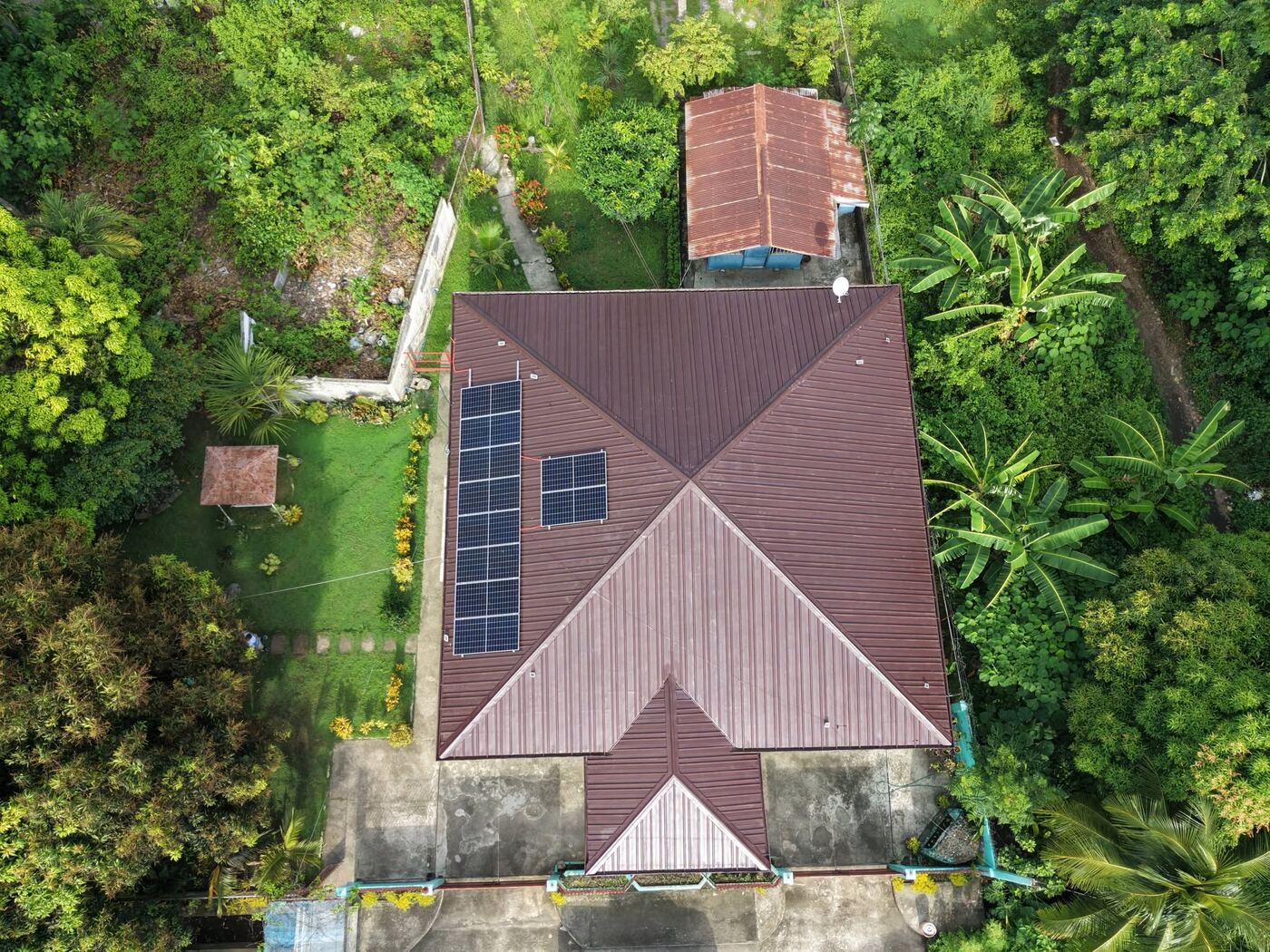
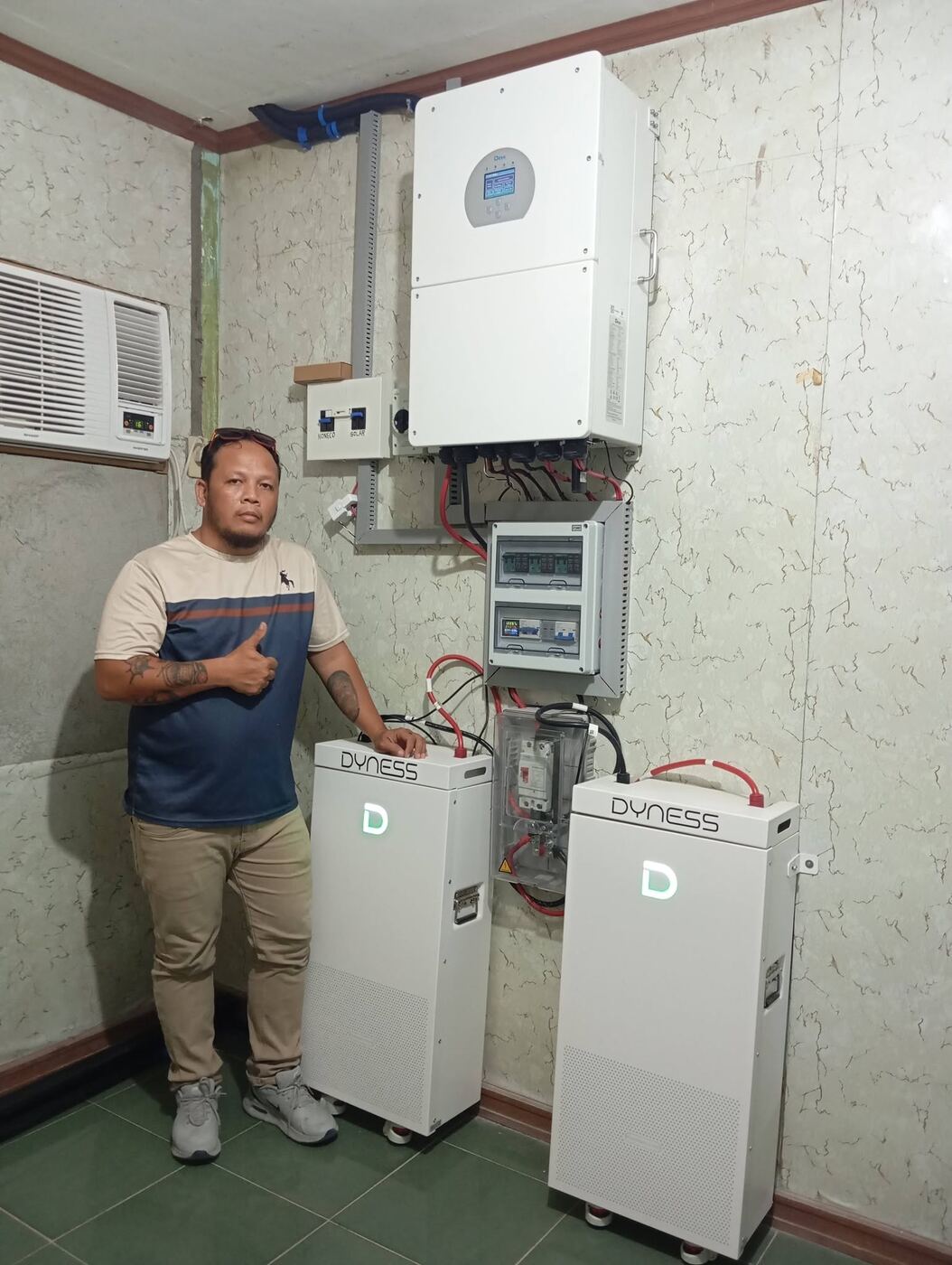
Battery backup is one of the biggest reasons homeowners choose a hybrid solar system. But a common question is: what will actually stay on during a brownout?
Backup circuits, not (always) the whole house
In most hybrid installations, the battery powers a set of backup circuits — the loads you choose as essential. When the grid goes down, the hybrid inverter switches those circuits to battery power automatically.
Typical essentials include:
- Lights
- Electric fans
- Wi-Fi router and laptops
- Ref and freezer
- TV
- Water pump (depending on size)
What uses the most power
Some appliances draw a lot of power, and they drain a battery much faster:
- Air-conditioners
- Electric water heaters and showers
- Electric ovens and induction cooktops
- Flat irons and hair dryers
Air-cons can be backed up with a large enough battery and inverter, but it's the single biggest factor in system cost. Many households choose to back up one air-con (for a bedroom, for example) rather than all of them.
How long will the battery last?
It depends on two things: how much energy the battery stores, and how much power your backed-up appliances use. Running only lights, fans and Wi-Fi can last a long time. Adding an air-con shortens it considerably.
During the day, the panels keep supplying power and recharging the battery, even during a brownout — one of the big advantages of hybrid solar over a plain battery or a generator.
Why LiFePO4 batteries
We use lithium iron phosphate (LiFePO4) batteries, which are known for their long cycle life and stable, safe chemistry. Compared with older lead-acid batteries, they handle daily charging and discharging much better.
Planning your backup
Tell us which appliances you want to keep running and for how long, and we'll recommend a battery size that fits. You can see our hybrid packages — and an estimated price range — on our Ask for a Quote page.